Intrepid Literary
  • Home
  • Services
  • About
  • BookFlow Sessions
  • Blog
  • Contact

Letters from the Editor: On being a non riot-forming writer online, how to get stickers off books, and more

11/20/2019


For the Modern Writer, the Personal is Professional

Picture
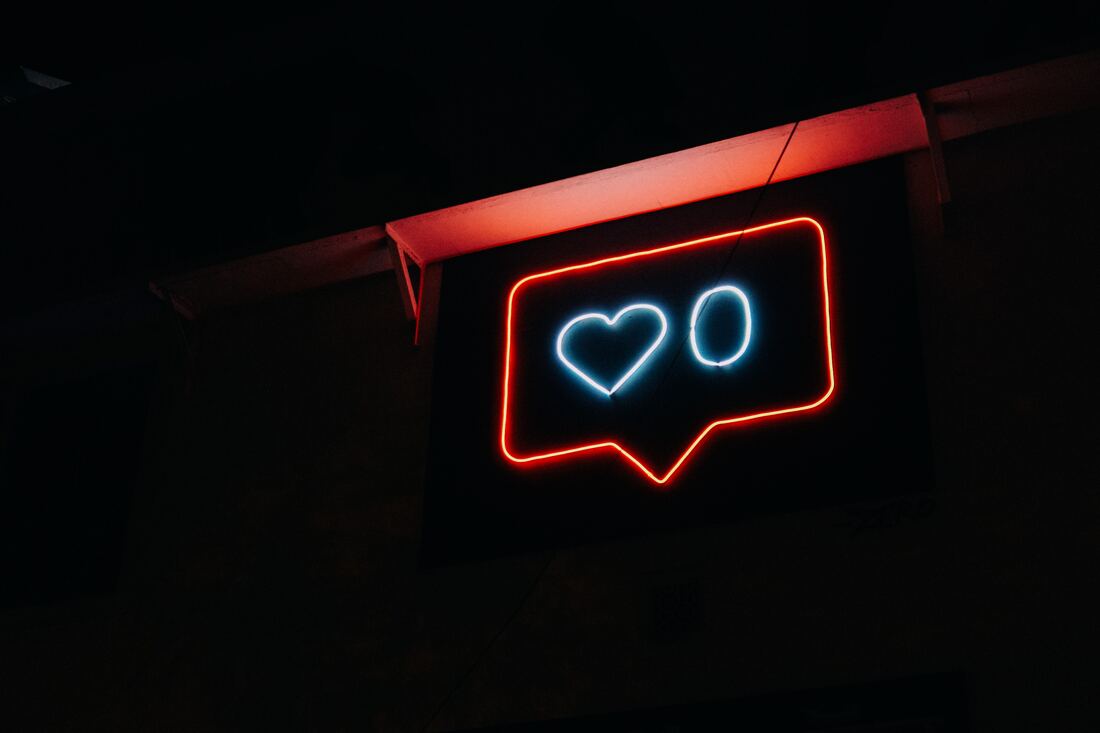
Writers, there’s a very fine, sometimes blurry, and occasionally altogether nonexistent line between you as a Person and you as a Professional in this industry. 
​

It’s an easy line to cross -- or in some cases, trip over very ungracefully. Take this latest bit of beef from Book Twitter, for example.
read more

Publishing is obsessed with your follower count. Should you be too?

11/6/2019


Publishing is obsessed with your follower count.
Should you be too?

What your author platform means for your chances at landing in bookstores
Picture
Let’s talk about platform.

As a writer of nonfiction, It’s a word that you’ll hear all the time when trying to get published — “you need a strong platform if you want your book to do well.” “Your platform is the only way to guarantee publishers will look twice at your book.” Platform is a nonfiction writer’s key to success.”

Eventually you start to get the gist that this is important — and it is! Platform is what sells your books, makes you an attractive prospect to agents and publishers, and keep readers, new and old, engaged with your work. Basically, platform is to nonfiction authors what promise is to fiction authors; it’s the incentive agents and publishers need to take you on.

Publishing industry polymath Jane Friedman explains that when you’re a fiction writer, agents and publishers assess your viability as an author “based on the quality of your manuscript and its suitability for the current marketplace.” When you’re a nonfiction author, however, a big piece of your puzzle is to have a large and loyal enough built-in audience that publishers feel confident your book will find success with the readers you intend it for. Your manuscript is absolutely still important but as it’s often not complete at the time you would be submitting nonfiction proposals, you have to give agents and publishers a good reason to take a chance on you beyond “I promise my book will be good!”. 

In a sense, platform takes precedence over your writing samples during the nonfiction proposal submission process.The goal of a platform is to sell yourself as an author and authority so that your book, when it’s released, has the community and credibility that you’ve built around your name as a giant green flag for readers (AKA buyers). 

For a concrete definition, just think of platform as the infrastructure of your public presence. It includes everything from your social media to your collective body of work to your attendance at workshops and conferences to your professional network, and anything else you do to make yourself visible and accessible to the public.

Given this description, you could get the sense that all a good platform needs is some of Kardashian-grade marketing tactics and an iron will to get people to like (and listen) to you. If you have a certain amount of followers and a big enough name, you’re guaranteed success as a nonfiction writer and the dollars will flow freely...

...And then you hear about situations like Caroline Calloway’s and realize that’s not quite the case.

Read More

Letters from the Editor: On prioritizing yourself, the self-publishing boom, and more

10/23/2019


Getting Your Priorities is Self-Care

Picture
Photo by STIL on Unsplash
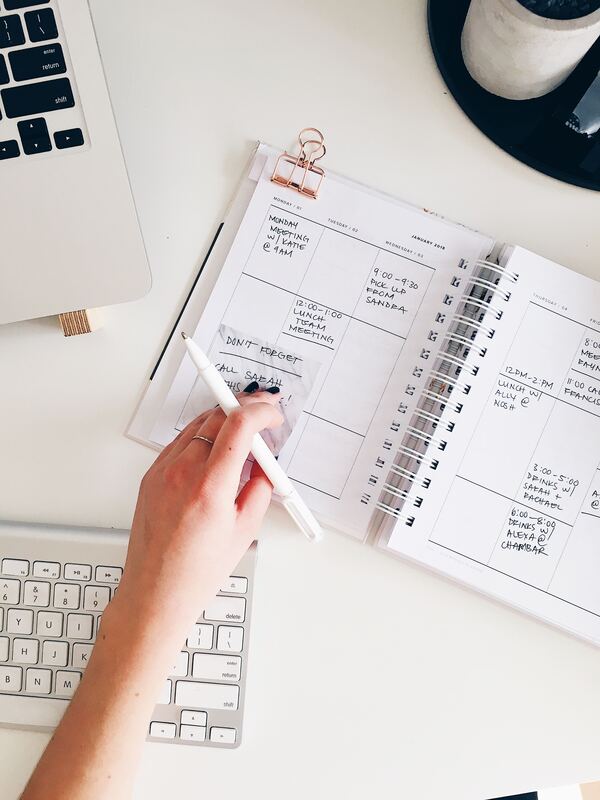
​I don’t know whether to chalk it up to the end of the summer or if I’m starting to feel the pressure of the holidays already, but lately I’ve been finding myself getting so frustrated with the amount of stuff I have to do and how little time I have to do it all.

For example, right now I have a million and one things to take care of at home. For weeks I’ve wanted to switch out my summer clothes for my winter ones; go through the stack of magazines that have colonized a corner of my living room; find a new dermatologist.

But instead of switching out my clothes, I’m at a friend’s baby shower. Instead of tackling the magazines, I’m cooking an over-the-top (very worth it) date night dinner. Instead of researching dermatologists, I’m helping a friend with their resume.

All of these random odds and ends keep coming up, and I end up getting pulled away from my overarching projects and goals to keep up with all the obligations I have to the people I care about and more due dates than a maternity ward. And it kind of sucks because those bigger projects are the ones that will help me out a lot and improve my life if I can get them done…but I don’t ever seem to have the time. And because they're not things with strict deadlines, they just keep getting shuffled back to the bottom of the pile.

Maybe you’ve felt this kind of frustration lately with your writing. Unfortunately, our projects don’t exist in a vacuum, and the real world can – and frequently will – interfere with our progress. You get pulled away from what you’re passionate about by your day job, by the writing you do to pay the bills, by your family and friends...the list goes on. At some point you’ll start to wonder, am I doomed to an eternity of postponing my long-term satisfaction for short-term subsistence?

I don’t think so.
clue me in

Letters from the Editor: On visiting Sleepy Hollow, changes at the Chicago public library, and more

10/9/2019


America's Literary Towns: Sleepy Hollow

We're gonna keep this one short and sweet because we are SWAMPED here at LTS Editorial (in a good way, of course). We have tons of new people coming in to have their drafts edited and perfected and we're so excited to see that, although it's blowing my mind a little that we'll be scheduling into 2020 soon!
​

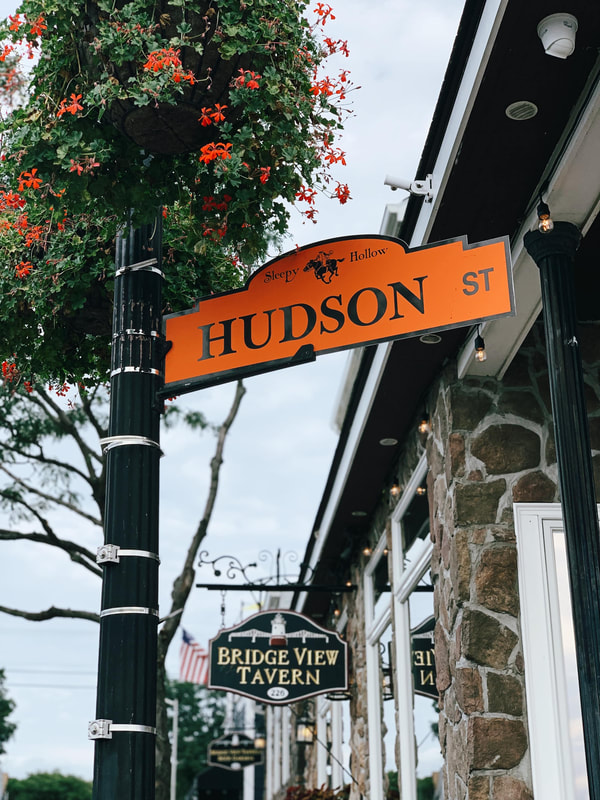
But first, I have to tell you about a little trip I went on recently to Sleepy Hollow. You know — severed head, lanky Ichabod Crane, unrequited love for an eighteen-year-old girl, the bridge? That Sleepy Hollow.
Picture
Clue me in

Letters from the Editor: On balancing writing with the real world, broken sales embargos, and more

9/18/2019


Writing in Spite of the Real World:
The Art of Balancing Side Projects with Normal Life

Picture
As we prematurely bust out the sweater collection and ease back into our busy lives this month, I’m detecting a certain eau de anxiété from my friends and colleagues who do self-led work.
​
Writers, freelancers, and artists: this is the season where the real world starts to breathe again, and if there’s anything that interferes with making strides on your side projects, it’s the real world. But striking a healthy work-life-other work balance is possible, and it all begins with the right frame of mind.
clue me in

Letters from the Editor: On what agents look for in submissions, remembering Toni Morrison, and more

8/22/2019


The #1 Thing Your book Needs to Have Before You Start Submitting to agents

Let’s say you've finally arrived at the querying stage with your work. You've done all the writing and polishing there is to be done so far, you've researched all the best agents for your genre, and you're ready to start sending your manuscript out into the big, scary world.
At many times during the querying phase, often after a rejection or two rolls in, you might wonder to yourself: is there anything else I can do to get one of these agents to bite?
In fact, there is.
Clue Me In

Letters from the Editor: On building your dream home office, fall must-reads, and more

8/7/2019

 
As we say goodbye to summer and prepare to settle back into our normal routines, I thought it might be time to dust off one of my favorite articles from the archive: my guide to building a home office that you love.

Not gonna lie, I’m damn proud of my home office. It’s beautiful, it encourages productivity, and most importantly, it’s perfect for me. You might already be happy with the space you’ve put together, but if you feel like you’re missing that extra pizzazz, check out these tips to bring your office-away-from-office to the next level.

​
Bonus, putting together your office is a great way to ease your way back into work mode without doing real work yet. Call it “work-adjacent.” It’s a little tough to shift gears from summer to fall so suddenly, so this could be a nice project to start that process without giving yourself whiplash.

Happy Reading!
Clue me in

Letters from the Editor: On the summertime slowdown, Audible's next big move, and more

7/24/2019


Don’t Fight the Summertime Slowdown

For those of us with self-directed jobs and side projects, summer can be a productivity nightmare…but does it have to be?

​I recently had a conversation with a writer friend in which I lamented how little “real” work I’ve been getting done post-Independence Day. Sure, I’m meeting deadlines for already established projects, but I’m slacking off when it comes to moving bigger internal projects forward. 

Could it really be that *gasp* I don’t want to spend these beautiful summer months staring at Quickbooks?!

The guilt I feel for not being as productive as I normally am is very real. So real, in fact, that I’ve been finding myself overdoing it on iced coffees in an effort to force an eight-hour day to bear fruit, which then makes me stay up all night, which then makes me drink more iced coffee, which then...you get the picture.

My friend, a full time freelance writer, has been having the same experience. Everyone feels a lag during the summer months, but I think that those of us with self-directed jobs (or side projects) feel especially guilty about that drop in productivity. Here we are with a few months to dig deep into our projects and then...that motivation just isn’t there.
PictureMe tubing down the Delaware River, living my best life and a million mental miles away from work


​The truth is that the summer months are meant to crawl by at a snail’s pace. Everything from people to work to motivation are supposed to be in slow motion. And it’s sad for those of us with self-led projects, but true; we’re just not at our most productive during the summer. 

So why not embrace it?


I think the natural instinct is to push back hard against the summer slump--we have entire days ahead of us and we’re just supposed to let them just float by like that?--but a recent article from the W/W Club kind of made me feel better, or at least less guilty about the whole thing. The idea is that you can adopt the pace of summer as your own and let that leisurely energy carry your efforts through until fall. Use the summer months to refuel and set yourself up for when we start to snap out of the lull in September. 
​

The trick to pulling off a seamless summer-to-fall transition without turning into a human potato is to know the difference between “not doing” and “non-doing.” 

clue me in

Writing in the Age of Cancel Culture

7/10/2019


Writing in the Age of Cancel Culture

Representation in publishing is more important than ever.
​How can authors keep up?
Picture
Courtesy of Bill Kerr via Flickr
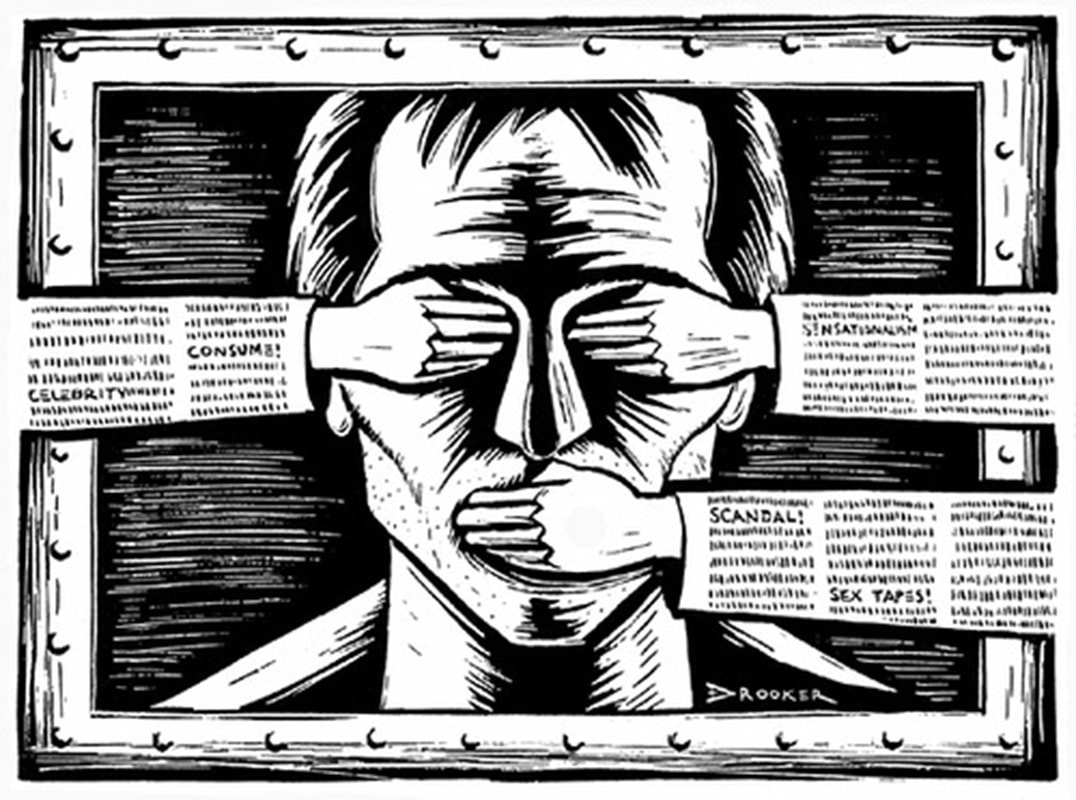
As of late, the publishing world has placed significant attention on the importance of representation in both the authors of stories and in the stories themselves. We want to see richness, variety in the worlds we read about, and if that diversity comes from diverse writers, all the better! But diversity alone isn’t enough today. I’ve come across a handful of stories in the news lately about diverse authors of diverse stories who faced backlash over insensitive conduct, either in their writing or in their day-to-day life. 

Natasha Tynes, a Jordanian-American author, had her book cancelled after going on Twitter to call out a D.C. metro worker -- a black woman -- for eating on the job. Her publisher characterized her tweet as “policing [a] black woman’s body.” Tynes apologized, mentioning that she was not native to the United States and wasn’t aware of the implications of her tweet, but the damage was done. Since then, Tynes has faced a barrage of racially charged attacks and is suing her publisher for defamation. She remains unpublished.

Y.A. author Amélie Wen Zhao was all set for her debut novel, Blood Heir, to be published, but withdrew the work just months before publication after critics who read the book pre-release called her depiction of slavery blatantly racist. Like Tynes, Zhao acknowledged her non-nativity to the US and by extension, her lack of awareness of the weight of slavery here, as reasons for why she wrote what she did. Six months later, Zhao’s three book contract sits in limbo as her work undergoes revision. She remains unpublished.

Kosoko Jackson, a black and queer author, withdrew the publication of his book A Place for Wolves after criticism of his portrayal of Muslims and his treatment of war in the novel. The story centered on two American boys falling in love during the Kosovo War, and had initially received loads of good press for Jackson’s tasteful handling of the subject matter, but one critical Goodreads review triggered an avalanche of negative attention on Twitter. He remains unpublished.

Clearly, the sociocultural landscape of publishing is not insulated from the goings on of the world at large. Here, just as in film or music or any other artistic arena, creators and consumers of the products of publishing are not only molded by, but evaluated by the standards of the greater context in which they operate. 

Calling out racism, sexism, and prejudice is the right and important thing to do, and I’m so happy that it’s becoming the standard, but you have to accept that the aim isn’t always on the right target. With the world the way it is today, and with the massive, sometimes unpredictable shifts we’re seeing toward a more enlightened progressive social consciousness, how can writers protect themselves from charges of insensitivity without sacrificing their artistic liberty? What’s a writer to do?

Read More

Letters from the Editor: On the opportunity in revision, the state of diversity in publishing, and more

6/26/2019

 
Instead of Starting Over, Try Starting Fresh
​

The last thing any writer wants to think about when they're halfway through their novel is going back to the beginning.

I recently had a coaching call with a writer from which the main takeway was that there was quite a bit of development to be done, from plot to character and beyond. He was stalling out and couldn't really make any forward movement without addressing the issues in the ground he'd already covered. So, the advice I gave (which I'm sure was dreadful to hear) was that he should take some time to work on that development, fix the bones of his story, and then...start at the beginning. Scary, right?

I was expecting at least a little drama after delivering the news to this writer, but I was surprised by his reaction. Instead of being pessimistic, he was excited, invigorated by the thought of beginning anew. He viewed it as an opportunity not to start over, but to start fresh, and that made all the difference.
Clue me in
<<Previous
Forward>>

    Categories

    All

Home

Services

About

​BookFlow Sessions

Blog

Contact

Picture
Copyright © 2025 Intrepid Literary, Inc.

TERMS & CONDITIONS | ​PRIVACY 
  • Home
  • Services
  • About
  • BookFlow Sessions
  • Blog
  • Contact